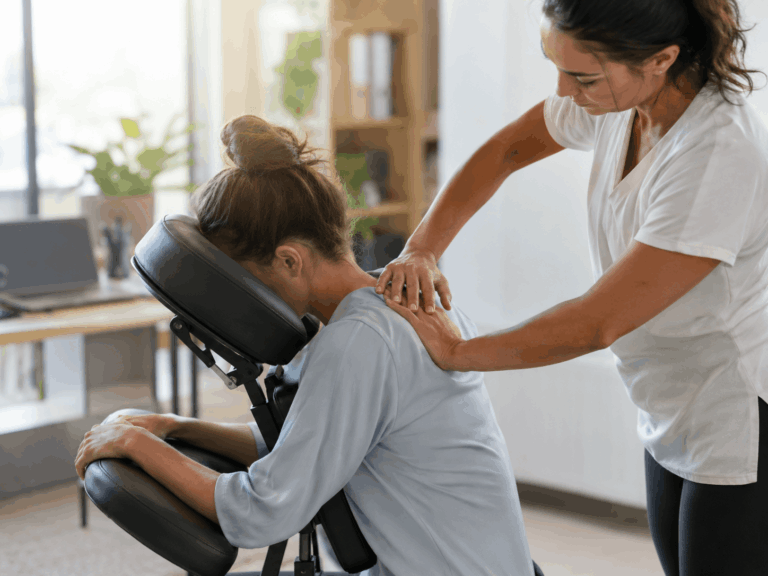


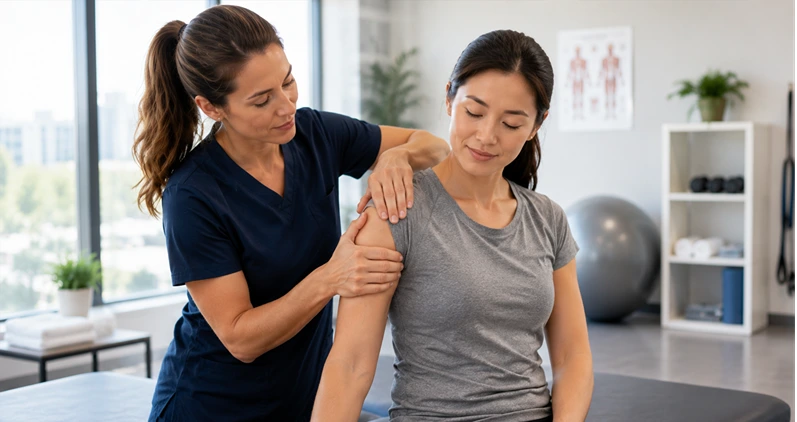
Yes, massage for frozen shoulder can help reduce pain, ease muscle tension, and improve range of motion, especially when combined with stretching and movement therapy. If you’ve been dealing with that deep, stubborn stiffness that makes it hard to reach for a seatbelt or get dressed, you already know how frustrating frozen shoulder can be. It doesn’t just limit your arm, it limits your day.
Frozen shoulder, also called adhesive capsulitis, develops gradually and can stick around for months or even years if left untreated. The good news is that targeted massage therapy can play a real role in your recovery, working alongside other treatments to loosen tight tissue and calm an irritated joint. Let’s look at how it works, what to expect, and why the right approach matters.

What Is Frozen Shoulder and Why It Happens
Frozen shoulder occurs when the connective tissue surrounding the shoulder joint, known as the capsule, becomes thickened and tight. This causes pain and a significant loss of motion, often making it difficult to lift your arm overhead, reach behind your back, or sleep on the affected side.
According to the Mayo Clinic, frozen shoulder typically develops in stages, starting with increasing pain, moving into a “frozen” stage where stiffness dominates, and eventually a “thawing” stage where motion gradually returns. This process can take anywhere from several months to a few years.
People recovering from shoulder surgery, those with diabetes, and anyone who’s kept a shoulder immobile for a long stretch (think a sling after an injury) tend to be more at risk. The shoulder simply doesn’t get the movement it needs, and the capsule starts to tighten up in response.
How Massage Therapy Supports Frozen Shoulder Recovery
This is where massage for frozen shoulder becomes a valuable part of the recovery picture. While massage alone won’t “unfreeze” the joint overnight, it addresses several of the underlying issues that keep the shoulder stuck.
Releasing Surrounding Muscle Tension
When the shoulder joint is restricted, the muscles around it, like the upper trapezius, rotator cuff muscles, and pectorals, often tighten up to compensate. Deep tissue massage and trigger point massage can target these overworked muscles, releasing tension that’s contributing to your overall stiffness and discomfort.
Improving Blood Flow to the Area
Massage increases circulation to the treated area, which can help bring more oxygen and nutrients to tight, irritated tissue. Better blood flow may also support the body’s natural healing response, which is especially helpful during the early, more painful stages of frozen shoulder.
Reducing Pain Signals
Hands-on work can help calm an overactive nervous system response around the shoulder. Many clients find that after a session, their pain feels noticeably less sharp, even if their range of motion hasn’t fully returned yet. This can make daily movements and home stretching exercises more comfortable to do.
Curious how deep tissue massage works for joint and muscle pain? Explore deep tissue massage at Elite Massage Therapy.
Best Massage Techniques for Frozen Shoulder
Not every massage style is equally suited to frozen shoulder. Here’s a quick breakdown of techniques that tend to work well, and what each one focuses on.
| Technique | What It Helps With | Best For |
| Deep Tissue Massage | Releasing tight muscles around the shoulder and upper back | Chronic stiffness and tension |
| Trigger Point Massage | Targeting specific painful knots that limit movement | Localized, sharp pain points |
| Stretch Massage | Gently improving flexibility and range of motion | Restoring movement gradually |
| Swedish Massage | Overall relaxation and reducing stress-related tension | Lighter touch, calming approach |
A skilled therapist will often blend a few of these approaches in a single session, adjusting pressure and technique based on what your shoulder needs that day.
Read more: how stretch massage gives instant relief for shoulder pain

Things to Know Before Your Session
If you’re dealing with frozen shoulder and considering massage, a little preparation goes a long way.
- Let your therapist know which stage you’re in (painful, frozen, or thawing), since this changes how much pressure and movement work is appropriate
- Mention any medical treatments you’re already receiving, like physical therapy, so your massage can complement that work
- Expect some sessions to feel gentler than others, especially during the painful stage when the shoulder is more sensitive
- Wear or bring comfortable clothing that allows easy access to your shoulder and upper back
- Be patient. Frozen shoulder didn’t develop overnight, and consistent sessions over time tend to bring better results than a single visit
It also helps to communicate openly during your session. If something feels too intense or doesn’t feel right, your therapist can adjust immediately.
Why Choose Elite Massage Therapy in Pearland
At Elite Massage Therapy in Pearland, TX, our therapists take a personalized approach to conditions like frozen shoulder. Rather than applying a one-size-fits-all routine, we assess your specific stiffness, pain points, and range of motion before tailoring the session to your needs.
We regularly work with clients managing chronic shoulder issues, post-injury stiffness, and everyday muscle tension from desk work or repetitive movement. Whether you’re early in your frozen shoulder journey or working through the thawing stage, our team can adjust pressure and technique to support where you’re at right now.
Ready to start feeling more comfortable in your shoulder? Book your massage at Elite Massage Therapy today.
Finding Relief from Frozen Shoulder, One Session at a Time
Frozen shoulder can feel like it’s never going to improve, but the right combination of massage, stretching, and time often makes a real difference. Massage for frozen shoulder works best as part of a broader approach, helping to manage pain, ease tight muscles, and support the gradual return of movement.
If you’re ready to give your shoulder some focused attention, our team at Elite Massage Therapy is here to help. Book your session today and take the first step toward moving more freely again.
Frequently Asked Questions: Massage for Frozen Shoulder
Is massage good for frozen shoulder?
Yes, massage can be a helpful part of frozen shoulder treatment. It won’t fix the underlying joint restriction on its own, but it can ease muscle tension, improve circulation, and reduce pain, making it easier to do the stretching and movement work that helps the shoulder recover over time.
Does massage therapy help frozen shoulder?
Massage therapy can help manage the pain and tightness that come with frozen shoulder. Many clients notice reduced stiffness in the surrounding muscles and better comfort after sessions, especially when massage is paired with guidance from a physical therapist or doctor.
How often should I get a massage for frozen shoulder?
Most people benefit from weekly sessions during the early stages, then can space them out as mobility improves. Consistency matters more than intensity, so regular shorter sessions often work better than occasional long ones.
Can massage make frozen shoulder worse?
Massage shouldn’t make frozen shoulder worse if it’s done with appropriate pressure and technique. During the painful stage, your therapist will use gentler approaches, and communication about your comfort level helps avoid overdoing it.
What’s the best massage for frozen shoulder pain relief?
A combination of deep tissue, trigger point, and stretch massage tends to work best for frozen shoulder. At Elite Massage Therapy, our therapists can blend these techniques based on what your shoulder needs at each stage of recovery.