

Cupping therapy generally doesn’t hurt, though most people feel a tight pulling or suction sensation rather than pain. If you’ve seen those round bruise-like marks on athletes or celebrities and wondered what’s actually going on under those cups, you’re not alone. Cupping has a reputation that can sound intense, but the actual experience is usually far more relaxing than people expect.
Understanding what cupping feels like, what it’s meant to do, and who it’s best suited for can help you decide whether it’s worth trying. Let’s break down the sensation, the benefits, and what to expect from start to finish.
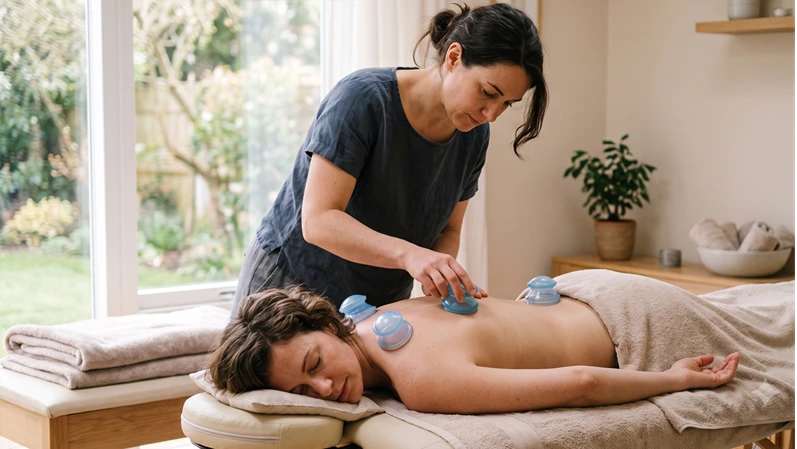
What Is Cupping Therapy and How Does It Work
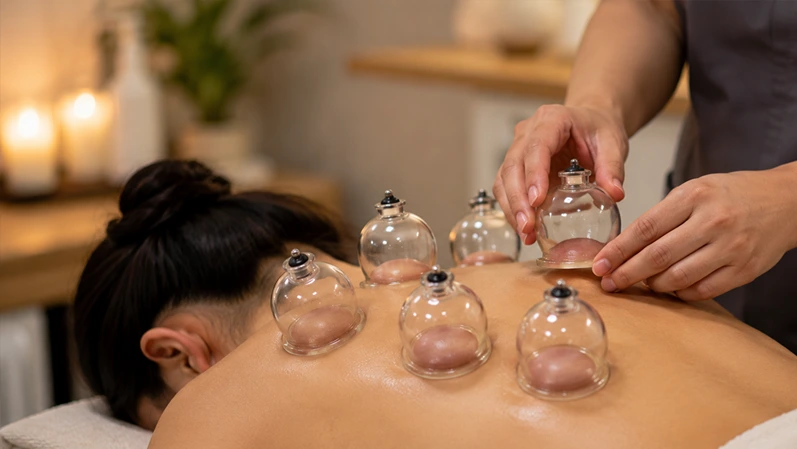
Cupping therapy involves placing small cups on the skin and creating suction, either through heat or a manual pump. That suction draws the skin and underlying tissue slightly upward into the cup, which increases blood flow to the area.
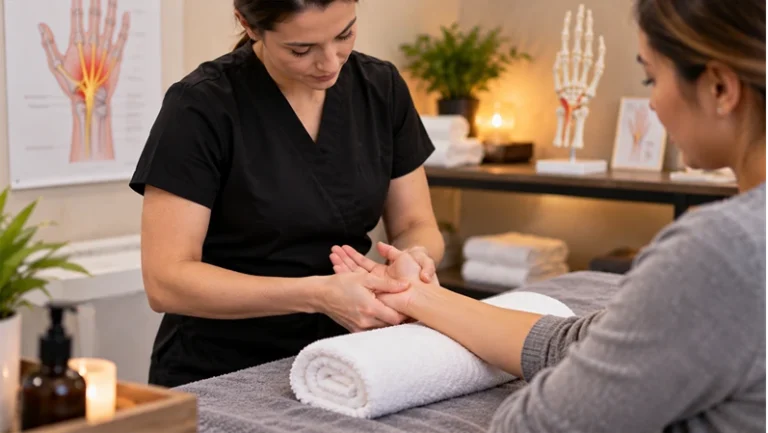
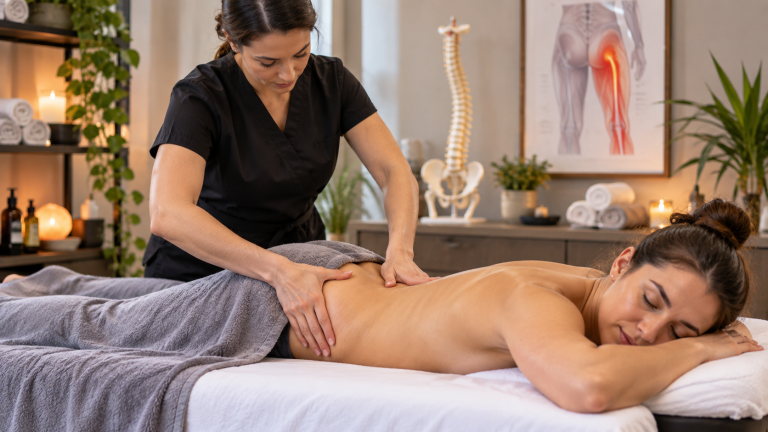
The suction can be left in place for several minutes or moved slowly across the skin, depending on the technique. Either way, the goal is similar: bring fresh circulation to tight or restricted tissue, encourage the muscles to release, and support the body’s natural recovery process. Therapists often combine cupping with other massage techniques in the same session for a more complete treatment.
Does Cupping Therapy Hurt? What the Sensation Actually Feels Like
This is usually the first question on everyone’s mind, and it makes sense given how dramatic the marks can look afterward. The honest answer is that cupping therapy typically feels like a strong, steady pulling sensation rather than pain.
The Pulling Sensation
Most clients describe the feeling as similar to a firm pinch or a deep stretch, but in reverse. Instead of pressure pushing down into the muscle like with deep tissue work, cupping creates a gentle lifting effect. It can feel intense the first time, but it’s rarely described as sharp or painful.
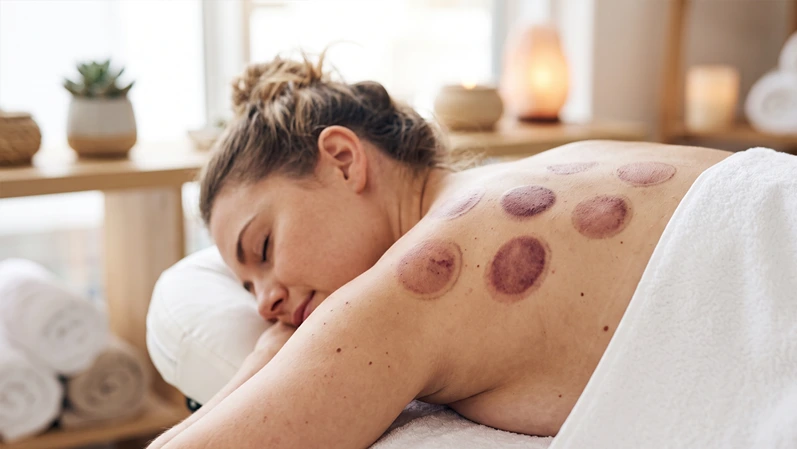
Why the Marks Look Worse Than They Feel
The circular marks left behind come from increased blood flow to the surface of the skin, not from bruising in the traditional sense. They typically fade within a few days and aren’t usually tender to the touch, even though they might look dramatic in photos.
Adjustable Pressure for Comfort
A skilled therapist can adjust how much suction is used based on your comfort level. If something feels too intense, speak up. Cupping should never cross into sharp or unbearable pain, and your therapist can ease off immediately if needed.
Want to experience cupping alongside other techniques? Explore our massage services at Elite Massage Therapy.
Benefits of Cupping Therapy
Beyond the unique sensation, cupping offers several benefits that make it a popular add-on to a regular massage routine.
| Benefit | What It Does | Helpful For |
| Increased Circulation | Draws fresh blood flow to the treated area | Tight, undernourished muscle tissue |
| Muscle Release | Loosens fascia and reduces tension | Chronic tightness and stiffness |
| Pain Relief | May reduce discomfort in targeted areas | Back, shoulder, and neck pain |
| Relaxation | Provides a deeply calming sensory experience | Stress relief and overall wellness |
Many people pair cupping with deep tissue massage or trigger point massage for a more thorough release, especially in areas that tend to hold a lot of tension like the upper back and shoulders.
Read more: relieve pain with trigger point massage
Who Should Try Cupping and Who Should Avoid It
Cupping isn’t the right fit for everyone, so it helps to know where you stand before booking a session.
- People with chronic muscle tightness, especially in the back, shoulders, or legs, often respond well to cupping
- Athletes sometimes use cupping as part of recovery between training sessions
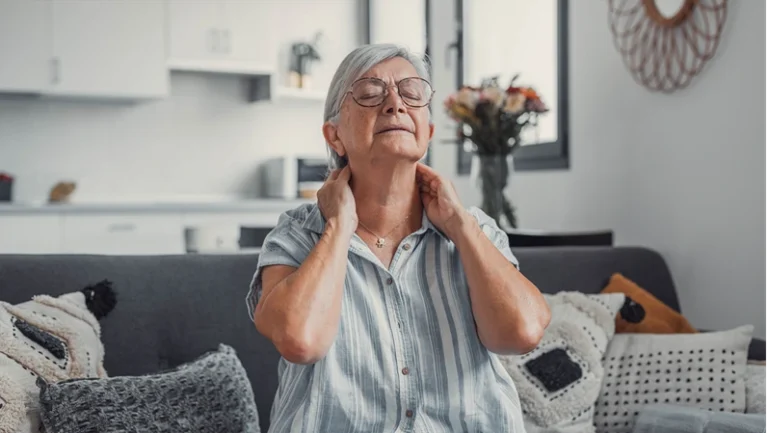
- Those with desk-related tension in the upper back and neck may find cupping helps loosen stubborn knots
- Pregnant clients, people with certain skin conditions, or those on blood thinners should check with their doctor first, as suction therapy may not be appropriate
- According to Cleveland Clinic, people with bleeding disorders or very fragile skin are generally advised to avoid cupping altogether
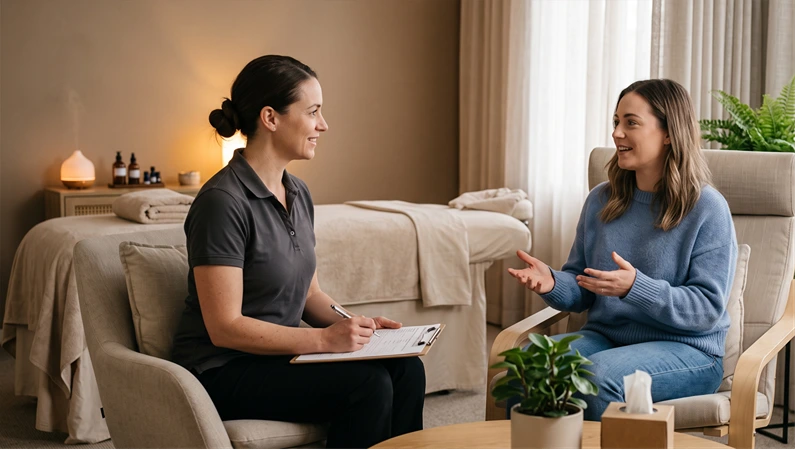
If you’re unsure whether cupping is right for you, mention any health conditions during your consultation so your therapist can recommend the best approach.
Why Choose Elite Massage Therapy in Pearland
At Elite Massage Therapy in Pearland, TX, our therapists are trained to use cupping safely and effectively as part of a personalized treatment plan. We take time to understand your goals, whether that’s relieving chronic tension, supporting athletic recovery, or simply trying something new.
Every session is tailored to your comfort level. If cupping feels too intense or you’d prefer a different approach, our team can adjust on the spot or recommend an alternative technique that fits your needs better.
Curious about adding cupping to your next session? Book your appointment at Elite Massage Therapy.
The Bottom Line on Cupping Therapy
So, does cupping therapy hurt? For most people, the answer is no. It’s an unfamiliar sensation, but one that tends to feel more relaxing than painful, with benefits ranging from improved circulation to relief from chronic tightness. As with any new treatment, communicating with your therapist about pressure and comfort makes all the difference.
Ready to see what cupping feels like for yourself? Book your session today at Elite Massage Therapy.
Frequently Asked Questions: Cupping Therapy
Is it painful to do cupping therapy?
No, cupping therapy is not typically painful. Most people describe it as a strong pulling or suction sensation rather than pain, and pressure can be adjusted to keep you comfortable throughout the session.
What toxins does cupping pull out?
Cupping doesn’t literally pull toxins out of the body. What it does is increase blood flow to the treated area, which can help relax tight muscles and support the body’s natural circulation, even if the “detox” idea is more myth than mechanism.
Who should avoid cupping therapy?
People with bleeding disorders, fragile skin, or certain skin conditions are generally advised to avoid cupping. Pregnant clients and those on blood thinners should also check with their doctor before booking a session.
Does cupping get rid of knots?
Cupping can help loosen and reduce tight knots, especially when combined with other techniques. Pairing it with trigger point massage often gives more targeted, lasting relief for stubborn problem areas.