

Yes, massage can help with sleep. Regular massage therapy lowers cortisol, increases serotonin and melatonin production, and activates the parasympathetic nervous system — all of which prepare your body for deeper, more restful sleep. If you’ve been lying awake at night with a racing mind or tense muscles, that’s not a coincidence. Stress and physical tension are two of the biggest disruptors of quality sleep, and massage targets both directly. Whether you deal with occasional restlessness or full-blown insomnia, adding massage to your routine can make a real difference in how well you sleep night after night.
How Massage Actually Affects Your Sleep
Most people know massage feels relaxing. But the changes happening inside your body go well beyond feeling good on the table.
The Cortisol Connection
Cortisol is your stress hormone. When it’s elevated at night, your brain stays alert and your sleep quality tanks. Research has consistently shown that massage lowers cortisol levels, sometimes significantly after just a single session. Less cortisol means your body can finally shift gears into rest mode. If you’ve ever fallen asleep during a massage, you’ve experienced this firsthand.
Serotonin, Melatonin, and the Sleep Chain
Here’s where it gets interesting. Massage increases serotonin levels in the body. Serotonin is a precursor to melatonin, the hormone that regulates your sleep-wake cycle. When serotonin rises, melatonin production follows. So a good massage session in the evening doesn’t just relax you in the moment — it sets off a hormonal chain reaction that supports natural, deeper sleep. According to Healthline, studies have found that massage therapy increases delta brain waves, the type associated with deep, restorative sleep.
Muscle Tension and Physical Restlessness
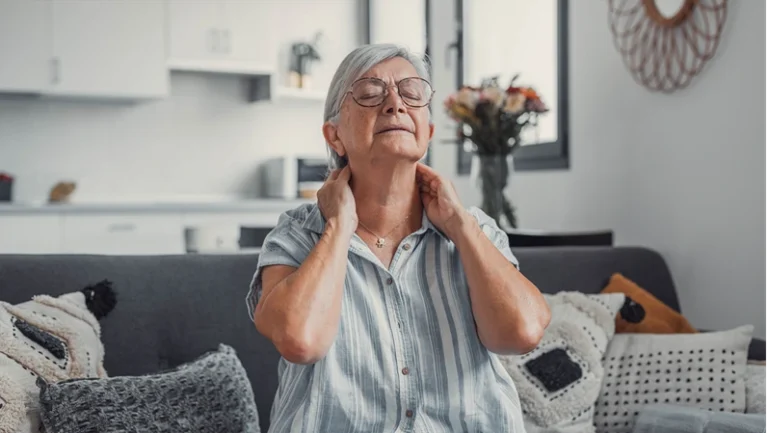
Ever try to fall asleep while your shoulders feel like concrete? Physical tension is one of the most overlooked reasons people struggle with sleep. Tight muscles keep your nervous system in a low-level state of activation. Massage works through that tension, releasing knots and reducing the muscle hyperactivity that keeps your body from fully letting go at night.

Which Massage Is Best for Sleep?
Not all massages are created equal when sleep is the goal. Some are more stimulating (great for athletic recovery), while others are specifically designed to calm the nervous system down.
Swedish Massage: The Sleep Specialist
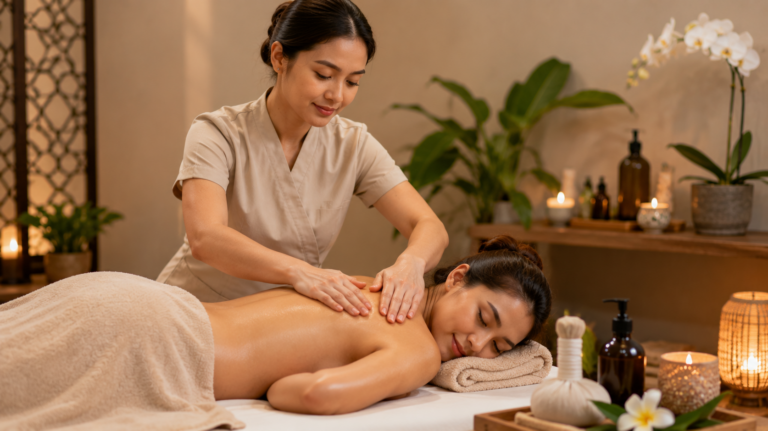
Swedish massage is widely considered the best massage type for sleep. It uses long, flowing strokes, gentle kneading, and rhythmic pressure that work directly on the parasympathetic nervous system. Think of it as a full-body signal to your brain that says: “It’s safe to relax now.” Sessions typically leave clients feeling deeply calm and heavy-limbed in the best way possible.
Read more: Discover the wonders of Swedish massage for your wellness
Aromatherapy Massage: Relaxation Doubled
Aromatherapy massage pairs the gentle strokes of Swedish technique with the calming effects of essential oils like lavender, chamomile, and bergamot. Lavender in particular has solid research behind it as a natural sleep aid. If you’re sensitive to stress or anxiety at night, this combination can be especially powerful.
Hot Stone Massage: Deep Release for Deep Sleep
The weight and warmth of smooth heated stones penetrate muscle tissue more deeply than hands alone. Hot stone massage is particularly effective for people who carry chronic tension in their back, neck, and shoulders. When those areas finally release, the full-body effect on sleep quality can be dramatic.
| Massage Type | Best For | Sleep Benefit |
|---|---|---|
| Swedish | General relaxation, stress | Lowers cortisol, activates rest response |
| Aromatherapy | Anxiety, racing mind | Calms nervous system, lavender aids melatonin |
| Hot Stone | Deep muscle tension, chronic stress | Releases deep tissue, promotes full-body relaxation |
| Prenatal | Sleep issues during pregnancy | Reduces discomfort, supports restful positioning |
How Often Should You Get a Massage for Better Sleep?
There’s no single right answer, but here’s a useful starting point depending on your situation.
If You’re Dealing With Acute Stress or Short-Term Sleep Issues
Weekly sessions for four to six weeks can produce meaningful, cumulative improvement. The effects of massage on cortisol and the nervous system build over time. Going once and expecting a permanent fix is like going to the gym once and expecting lasting results.
If Sleep Disruption Is Chronic
Bi-weekly massage (every two weeks) works well as a long-term maintenance strategy. Pair it with other healthy sleep habits like a consistent bedtime, reduced screen time, and a cool, dark bedroom. Massage amplifies the effect of everything else you’re doing.
If You Just Need a Reset
Even a single session can noticeably improve your sleep for several nights afterward. If you’ve been running on fumes and haven’t slowed down in weeks, booking one good session can break the cycle and remind your body what relaxed actually feels like.
Book a Swedish massage in Pearland at Elite Massage Therapy and see the difference for yourself.

What Is the 3-3-3 Rule for Insomnia?
If you’ve been researching sleep lately, you may have come across the 3-3-3 rule for insomnia. It’s a simple behavioral framework:
- 3 hours before bed: Stop eating large meals
- 3 hours before bed: Stop drinking alcohol
- 3 hours before bed: Limit high-intensity exercise
Some versions extend it to include stopping caffeine intake six hours before bed, and stopping screen use one hour before bed. The idea is to remove the physiological and neurological stimulants that delay sleep onset and reduce sleep quality during the night.
Massage fits naturally into this kind of pre-sleep routine. A session scheduled in the early evening, followed by a wind-down routine at home, creates the ideal conditions for your body to transition smoothly into sleep. Think of massage as your body’s off switch — one that the 3-3-3 rule helps you actually use.
| Pre-Sleep Habit | Why It Helps |
|---|---|
| Stop eating 3 hours before bed | Reduces digestive activity and core body temperature disruption |
| No alcohol within 3 hours | Alcohol fragments sleep architecture in the second half of the night |
| Finish intense exercise 3 hours early | Lowers adrenaline and core body temperature before bed |
| Evening massage session | Lowers cortisol, raises melatonin, releases physical tension |
Read more: How Swedish massage can help you recover from burnout or chronic stress
Who Should Try Massage for Sleep?
Massage for sleep isn’t just for people with clinical insomnia. It’s a good fit for a wide range of people.
- Chronic stress sufferers: If your mind is still running through your to-do list at midnight, massage helps physically interrupt that stress cycle.
- People with physical discomfort: Aches, tight muscles, or restless legs can all interfere with falling and staying asleep. Massage addresses the physical roots of the problem.
- Shift workers and those with disrupted schedules: When your body clock is off, massage can help recalibrate your nervous system and give your body clearer “rest” signals.
- Pregnant women: Discomfort, hormonal changes, and anxiety can make sleep during pregnancy especially difficult. Prenatal massage is specifically tailored to safely address these challenges.
- Anyone recovering from burnout: Burnout keeps your nervous system locked in overdrive. Massage is one of the most effective ways to start unwinding that pattern.
Read more: How massage therapy supports mental health in 2026
Why Choose Elite Massage Therapy in Pearland
At Elite Massage Therapy, we understand that no two people struggle with sleep the same way. Some clients come in carrying years of physical tension in their neck and back. Others are dealing with anxiety that never fully quiets at night. Some just need a reset after a brutal stretch at work.
Our licensed therapists take the time to understand what’s going on with your body before every session. We tailor the pressure, technique, and focus areas to what you actually need, not a one-size-fits-all approach. Whether you’re looking for the gentle nervous system reset of a Swedish massage, the added power of aromatherapy, or the deep release of a hot stone session, we have the tools and expertise to help you sleep better.
We’re conveniently located in Pearland, TX, and serve clients from across the greater Houston area. If you’re ready to stop staring at the ceiling and start waking up rested, we’d love to help.
Book your massage session at Elite Massage Therapy today.

Better Nights Start Here: Can Massage Help With Sleep?
Can massage help with sleep? Absolutely. From lowering cortisol and boosting melatonin to releasing the physical tension that keeps your body on edge, massage works on the real causes of poor sleep, not just the symptoms. Pair it with smart pre-sleep habits like the 3-3-3 rule, and you’ve got a routine that supports deep, consistent rest.
If better sleep is the goal, the massage services at Elite Massage Therapy are a great place to start. Book your session today and see what a well-rested version of yourself feels like.
Frequently Asked Questions: Can Massage Help With Sleep?
Does having a massage help you sleep better?
Yes, massage helps you sleep better by reducing cortisol, increasing melatonin, and calming the nervous system. These effects don’t just make you feel relaxed during the session — they create the physiological conditions your body needs for deep, restorative sleep. Many clients report sleeping significantly better for several nights after a massage.
Which massage is best for sleep?
Swedish massage is the top choice for improving sleep because it directly activates the parasympathetic nervous system and reduces stress hormones. Aromatherapy massage is a close second, especially for people with anxiety or a restless mind. Hot stone massage works well for those who carry deep muscle tension that disrupts sleep.
What is the 3-3-3 rule for insomnia?
The 3-3-3 rule means stopping large meals, alcohol, and intense exercise at least three hours before bedtime. It’s a behavioral approach to reducing the physiological triggers that delay sleep onset. Adding an evening massage to this routine can make it even more effective by giving your body a clear, consistent signal to wind down.
How often should you get a massage to improve sleep?
Weekly sessions for four to six weeks is a good starting point for noticeable, lasting improvement. If sleep disruption is ongoing, a bi-weekly maintenance schedule works well long term. Even a single session can improve your sleep quality for several days, so there’s no wrong time to start.
Can massage help with anxiety-related sleep problems?
Yes, massage is particularly effective for sleep issues rooted in anxiety because it works directly on the stress response. By lowering cortisol and engaging the rest-and-digest nervous system, massage interrupts the mental and physical activation that keeps anxious minds awake. Aromatherapy massage with lavender or chamomile can provide an added layer of calming support.