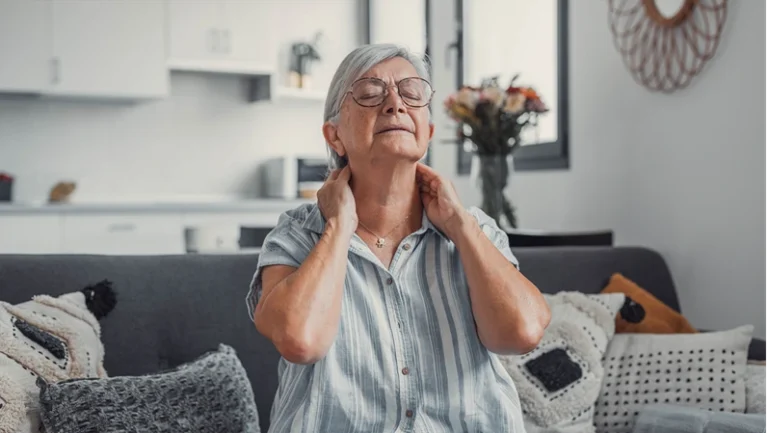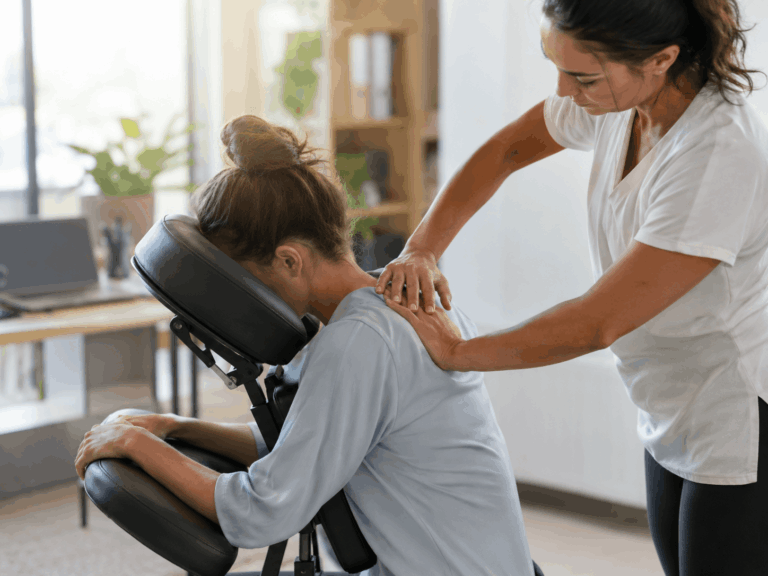

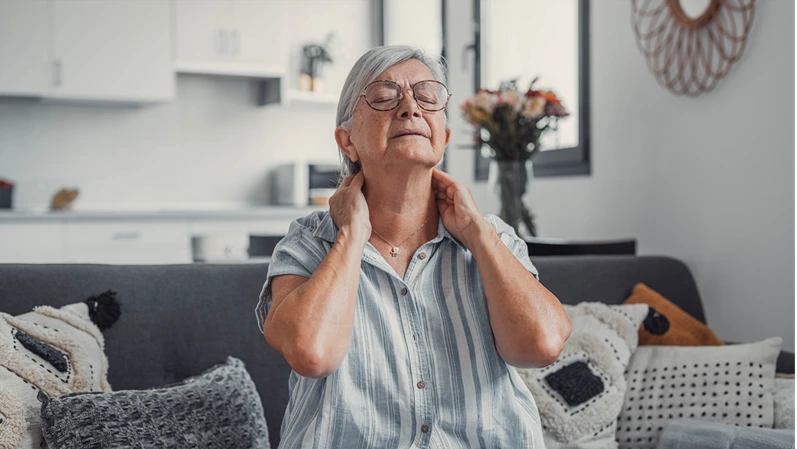
Yes, massage can reduce anxiety, and the effect is physiological rather than just pleasant. Research consistently links massage therapy to lower cortisol levels, slower heart rate, and increased activity in the parasympathetic nervous system, the branch responsible for rest and recovery. Mayo Clinic Health System points out that massage therapy can help manage anxiety, depression, and insomnia, noting that a single hour-long session can lower cortisol while releasing serotonin.
What that means in practice: anxiety lives in the body as much as the mind. Tight shoulders, shallow breathing, a clenched jaw, and a stomach that won’t settle are all part of the same stress response. Massage works on that physical layer, and calming the body gives the mind a much easier path back to baseline.
How Massage Affects an Anxious Nervous System
Anxiety keeps your body in a state of readiness. Your sympathetic nervous system, better known as the fight-or-flight response, stays partially switched on even when nothing is actually wrong. Muscles brace, breathing gets shallow, and your body keeps producing stress hormones it has no reason to use.
Shifting Out of Fight or Flight
Sustained, rhythmic touch is one of the more reliable ways to signal safety to the nervous system. As pressure is applied and held, the body registers that it can stand down. Heart rate slows, breathing deepens, and blood flow redirects toward digestion and repair instead of the limbs.
The American Massage Therapy Association has highlighted research showing that even short massage sessions boost heart rate variability, a common marker of parasympathetic activity and stress resilience. Higher variability generally means your body is better at recovering from stress rather than staying stuck in it.
Cortisol, Serotonin, and Endorphins
Cortisol is useful in short bursts and corrosive over long stretches. Chronically elevated cortisol contributes to poor sleep, digestive issues, and that wired-but-exhausted feeling many anxious people describe. Massage has been repeatedly associated with reduced cortisol alongside increases in serotonin and endorphins, the chemistry behind mood regulation and natural pain relief.
That combination explains why people often describe post-massage calm as different from simply resting. The body isn’t just idle; it has actually shifted state.
Breaking the Tension and Worry Loop
Anxiety creates muscle tension, and muscle tension feeds anxiety. A tight chest makes breathing feel restricted, which the brain can read as a threat signal, which produces more tension. Releasing the physical side of that loop interrupts the cycle at a point you can actually control.
Which Massage Types Work Best for Anxiety
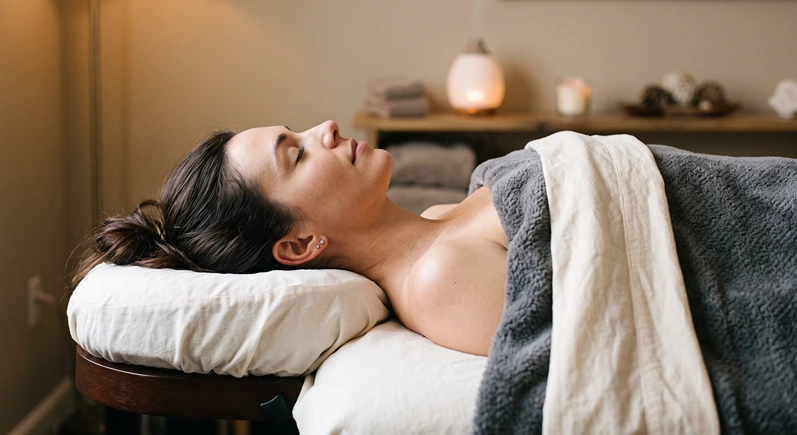
Not every style suits an anxious nervous system. Intense deep pressure can be excellent for chronic muscle problems, but for someone already braced and on edge, it sometimes produces more guarding rather than less. Gentler, more rhythmic work usually delivers better results for anxiety relief.
Swedish Massage
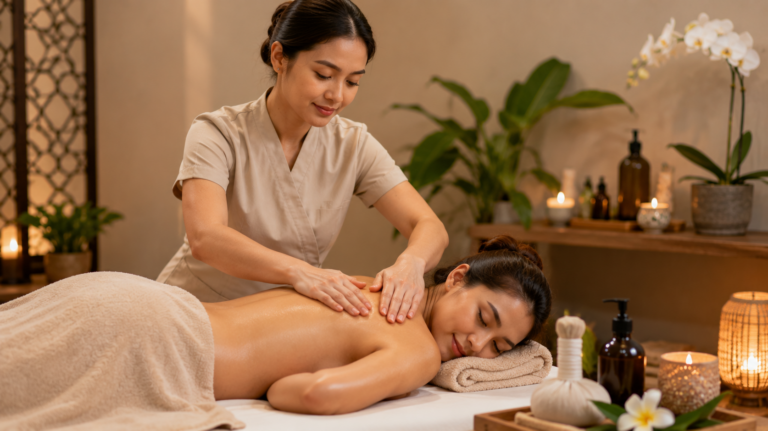
Swedish massage is the standard starting point. Long, flowing strokes at light to moderate pressure encourage circulation and downshift the nervous system without asking your body to tolerate discomfort. If you’re new to massage or your anxiety is running high, this is the safest and most consistently effective choice.
Book a Swedish massage in Pearland at Elite Massage Therapy if relaxation is your main goal.
Aromatherapy Massage
Adding essential oils layers a scent-based calming effect on top of the physical work. Smell connects directly to the limbic system, the emotional processing center of the brain, which is why certain scents shift your mood almost immediately. Lavender, bergamot, and chamomile are the usual choices for anxiety.
Stretch Massage
Anxiety tends to settle in the chest, shoulders, hips, and jaw. Assisted stretching opens those specific areas and restores fuller, deeper breathing. People carrying tension in the chest often report that the biggest change after a stretch session is simply being able to take a full breath.
Read more: how stretch massage helps with stress
Hot Stone Massage
Sustained warmth relaxes muscle tissue before any pressure is applied, so the therapist can work effectively with less force. For clients who find firm pressure uncomfortable or activating, heat does a lot of the work instead.
| Massage Type | Best For | Pressure Level |
| Swedish | General anxiety, first-time clients, poor sleep | Light to moderate |
| Aromatherapy | Racing thoughts, mood dips, sensory overwhelm | Light to moderate |
| Stretch | Chest tightness, restricted breathing, jaw and shoulder tension | Gentle, assisted movement |
| Hot stone | Clients who tense up under firm pressure | Light, heat-assisted |
| Deep tissue | Anxiety paired with chronic muscle pain | Firm |
How Often You Need Sessions for Lasting Relief
A single session produces a real but temporary effect, usually lasting a few days. The bigger changes, including better sleep and a lower baseline stress level, come from repetition. Your nervous system learns patterns, and regular sessions give it consistent practice at moving into a calm state.
For a genuine answer to whether massage can reduce anxiety in a lasting way, frequency matters more than session length. Most clients dealing with ongoing anxiety start weekly or biweekly for the first month, then settle into a monthly rhythm once they notice the effects holding between visits.
| Your Situation | Suggested Frequency | What to Expect |
| High-stress period or burnout | Weekly for 4 weeks | Noticeably better sleep within 2 to 3 sessions |
| Ongoing low-level anxiety | Every 2 weeks | Lower baseline tension, calmer response to stressors |
| Maintenance after improvement | Monthly | Holds the gains, prevents tension from rebuilding |
| Occasional stress flare-ups | As needed | Short-term relief lasting several days |
Read more: how Swedish massage helps you recover from burnout or chronic stress
What Massage Can and Cannot Do for Anxiety
This part deserves honesty. Massage is a strong support, not a treatment for an anxiety disorder. It reduces symptoms, improves sleep, and helps regulate your nervous system, and those effects are well documented. It does not address the thought patterns, life circumstances, or underlying conditions driving anxiety in the first place.
So can massage reduce anxiety enough to stand alone? For everyday stress and tension, often yes. For persistent anxiety that interferes with work, relationships, or sleep, massage works best alongside professional care. Therapy, medical evaluation, and treatment prescribed by a licensed provider address parts of the picture that bodywork simply cannot reach. If anxiety is significantly affecting your daily life, please talk with a doctor or mental health professional. Massage can be a valuable part of that plan, not a substitute for it.
Read more: how massage therapy supports mental health
Getting the Most From Your Session
A few things help you get more out of each visit:
- Tell your therapist upfront that anxiety relief is your goal, so pressure and pacing can be adjusted
- Arrive early enough that you aren’t rushing through the door still tense
- Speak up if any pressure feels activating rather than releasing
- Focus on slow exhales during the session, since long exhales strengthen the parasympathetic response
- Avoid scheduling something stressful immediately afterward so the calm has time to settle
- Drink water and give yourself a quiet hour if you can
Why Choose Elite Massage Therapy in Pearland
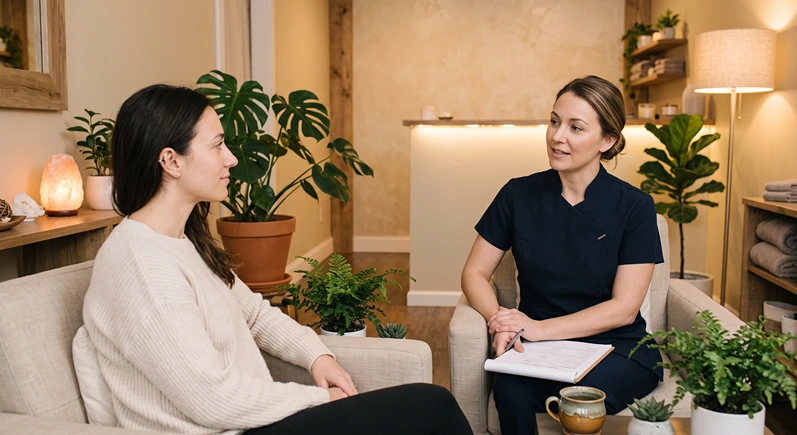
At Elite Massage Therapy in Pearland, TX, we treat anxiety-focused sessions differently from pain-focused ones. Pressure, pacing, lighting, and even how much conversation occurs during the session are all adjusted based on what helps you settle.
Our licensed therapists take time to understand what your stress actually feels like in your body before deciding on an approach. Someone who holds tension in the jaw and neck needs different work from someone whose chest feels permanently tight. That personalized approach is why many clients who were unsure about massage end up making it a regular part of their stress management. Packages are available if you want to commit to a consistent schedule at a better rate.
Ready to give your nervous system a reset? Book a session at Elite Massage Therapy or call (346) 907-5104.
The Bottom Line: Can Massage Reduce Anxiety
Can massage reduce anxiety? The evidence says yes, through measurable changes in cortisol, heart rate, and nervous system activity, and most people feel the difference after a single session. The lasting benefits, better sleep and a calmer baseline, come from showing up consistently rather than waiting until stress peaks.
Browse our full range of massage services or check the packages page to find a schedule that works for you.
Frequently Asked Questions: Can Massage Reduce Anxiety
How quickly does massage help with anxiety?
Most people feel calmer immediately after a session, with the effect lasting a few days. The physiological shift, including lower heart rate and reduced cortisol, happens during the massage itself. Bigger changes such as improved sleep and a lower baseline stress level usually appear after two to three consistent sessions.
Which massage is best for anxiety and panic symptoms?
Swedish massage is the best starting point, since its light-to-moderate pressure calms the nervous system without triggering additional tension. Aromatherapy and hot stone are strong alternatives if you want extra sensory calming. Deep tissue can help when anxiety comes with chronic muscle pain, but it isn’t the ideal first choice for someone who tenses under firm pressure.
Can massage replace therapy or medication for anxiety?
No. Massage is a supportive tool that works alongside professional mental health care, not a replacement for it. It reduces the physical symptoms of anxiety very effectively, but it doesn’t address underlying causes. If anxiety is affecting your daily functioning, speak with a doctor or licensed mental health professional about a complete treatment plan.
How often should I get a massage for anxiety?
Weekly or biweekly for the first month, then monthly for maintenance. Your nervous system responds to repetition, so consistency produces better results than occasional long sessions. Many clients find that once the pattern is established, monthly visits are enough to keep them steady.
Where can I get a massage for anxiety and stress in Pearland?
Elite Massage Therapy in Pearland, TX offers Swedish, aromatherapy, stretch, and hot stone massage with licensed therapists who adjust each session for stress relief. Let your therapist know anxiety is your focus, and the session will be built around calming rather than deep pressure work. Book online or call (346) 907-5104.