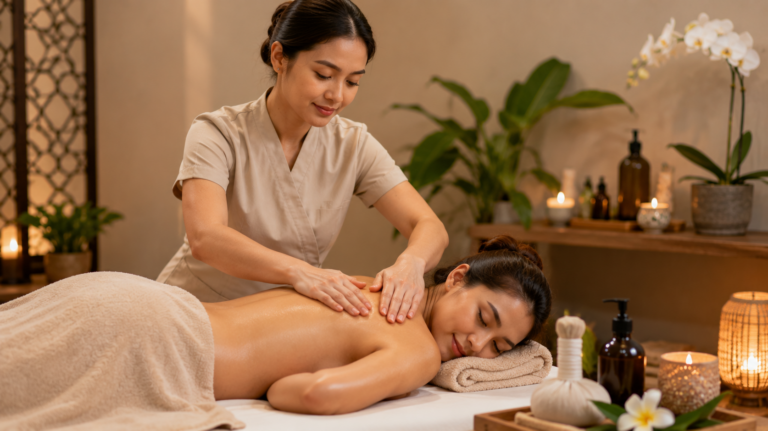


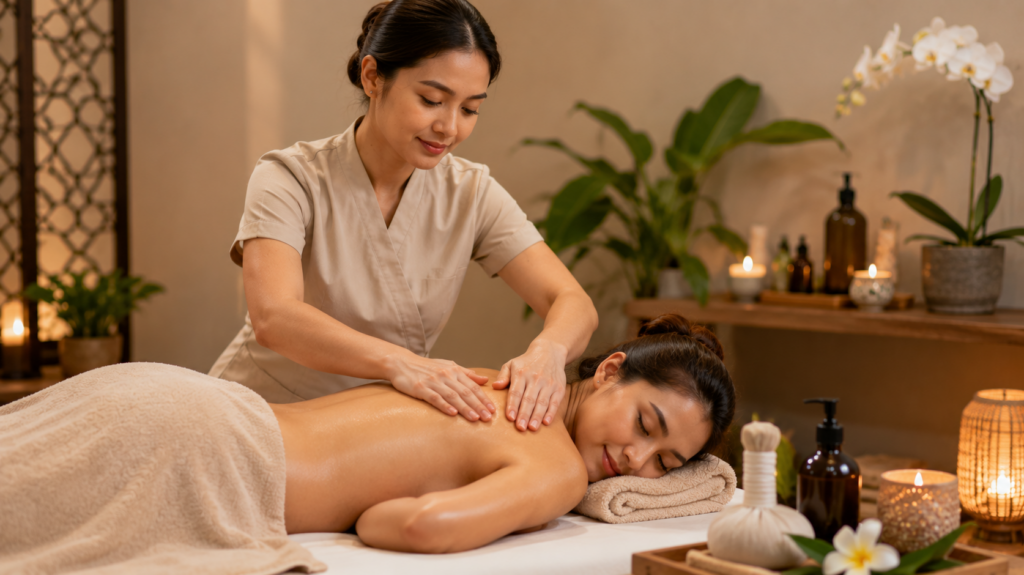
A holistic wellness massage approach treats the body as a single connected system rather than isolating a single sore spot. Rather than working only the tight muscle you mention at check-in, the therapist looks at how your stress, sleep, posture, and physical tension are all feeding into each other, then builds a session that addresses the whole picture.
Most people book a massage because something specific hurts. But tension rarely shows up alone. A tight neck is often tied to shallow breathing from stress. Poor sleep makes every ache feel worse. Even posture from long work hours can quietly shape how your whole body holds tension without you noticing until it turns into pain. A holistic approach doesn’t ignore the specific complaint; it just widens the lens around it, so the session supports your nervous system and your muscles at the same time.
Here’s what this approach actually involves, which techniques it draws from, what a session feels like, and how to know if it’s the right fit for you.
What Is a Holistic Wellness Massage Approach
Holistic massage isn’t a single technique. It’s a philosophy that shapes how a therapist listens, plans, and works through a session. Instead of a fixed routine applied to every client, the therapist starts with questions about your stress levels, sleep, activity, and emotional state, not just where it physically hurts.
From there, the session might blend slower, calming strokes with firmer work on specific tight spots, adjusted pressure to match your nervous system’s state that day, and pacing that leaves room for your body to actually settle instead of rushing from one area to the next. Two clients could come in with the same neck tension and leave with very different sessions, because the underlying cause, and what their body needs to release it, isn’t the same from person to person.
The goal isn’t just loosening a muscle. It’s helping your whole system shift out of a stressed, guarded state and into one where healing can actually happen. That’s a slower, more layered process than a quick fix, but it tends to produce results that hold up longer.
This is also what separates a holistic approach from a standard relaxation massage. A relaxation session is designed to feel good in the moment, which is valuable in itself. A holistic session shares that goal but goes a step further, using the conversation at the start and the therapist’s reading of your body during the session to actually target what’s driving the tension, not just soothe the surface of it.

Mayo Clinic notes that massage therapy is increasingly used alongside standard treatment for a range of conditions, since it can ease pain, reduce stress, and improve overall well-being.
Massage Techniques Used in a Holistic Approach
A holistic session often draws from several styles rather than sticking to just one, since different techniques support different parts of the body and nervous system.
Swedish Massage for Grounding the Nervous System
Swedish massage uses long, flowing strokes that are gentle enough to calm an overactive nervous system while still improving circulation. It’s often the foundation of a holistic session, especially for clients dealing with chronic stress, anxiety, or trouble winding down at the end of the day.
Explore Swedish massage at Elite Massage Therapy for a session built around whole-body relaxation.
Aromatherapy for the Emotional Layer
Scent has a direct line to the brain’s emotional centers, which is why aromatherapy is such a natural fit for holistic work. Essential oils like lavender or eucalyptus are layered into the massage to support relaxation, mental clarity, or an energy lift, depending on what you need that day. It’s a small addition with an outsized effect on how the whole session feels.
Read more: aromatherapy massage benefits and techniques if you want the emotional side of the session to carry more weight.
Lymphatic Work for a Whole-Body Reset
Lymphatic massage uses very light, rhythmic pressure to support the body’s natural drainage system, which can reduce puffiness, support immune function, and leave you feeling lighter overall. It’s a gentler technique than deep tissue or trigger point work, but it plays a real role in a holistic plan focused on whole-body function rather than just muscle relief.
Read more: lymphatic massage in Pearland to see how this gentler technique fits into a broader wellness routine.
| Technique | Primary Focus | Best For |
| Swedish | Nervous system, circulation | Stress, anxiety, general tension |
| Aromatherapy | Emotional state, mood | Mental fatigue, low energy, and emotional stress |
| Lymphatic | Fluid drainage, immune support | Puffiness, sluggishness, post-travel recovery |
Benefits Beyond the Physical
A holistic wellness massage approach is built around the idea that physical tension and mental or emotional strain are rarely separate problems. Addressing both at once tends to produce results that last longer than a single deep tissue session focused on one muscle group.
Better Sleep and Lower Stress
Slower, full-body work shifts the nervous system out of a fight-or-flight state, which is part of why so many clients fall asleep during a session. That shift doesn’t end when the massage does. Many people report sleeping more deeply that night and feeling less reactive to stress in the days after.
Improved Emotional Regulation
Physical and emotional tension often co-exist, particularly in the shoulders, jaw, and chest. Working through that tension can leave clients feeling emotionally lighter, not just physically looser, and can make it easier to respond to daily stress without it building up in the body again.
Read more: how massage therapy supports mental health for a closer look at this connection.
More Consistent Energy Through the Week
Chronic tension quietly drains energy, since your body spends effort bracing against pain or tightness even when you’re not aware of it. Clients who build a holistic massage routine into their month often notice steadier energy levels overall, not just relief right after a session. The body simply has less to fight against day-to-day.
What to Expect During Your Session
A holistic session usually starts with a longer conversation than a typical massage. Your therapist will ask about your stress levels, sleep quality, and emotional state in addition to any physical complaints, then adjust the plan as the session goes.
- Expect a mix of pressures, from very light lymphatic strokes to firmer work on specific tight spots that need more attention
- Aromatherapy oils may be offered, so mention any scent sensitivities or preferences up front
- Sessions often run a bit longer than a standard massage to leave room for the body to actually settle
- It’s normal to feel emotional or unusually relaxed afterward. This is a sign the nervous system is genuinely shifting, not a cause for concern
- Hydration afterward supports the lymphatic and circulatory work done during the session, so keep water on hand for the rest of the day

Why Choose Elite Massage Therapy in Pearland
Elite Massage Therapy in Pearland, TX builds every session around the client in the room, not a fixed script. That flexibility is exactly what a holistic approach requires. The team draws from Swedish, aromatherapy, lymphatic, deep tissue, and other techniques from their full menu of massage services, then blends them based on what your body and nervous system actually need that day.
Whether you’re dealing with chronic stress, emotional burnout, or tension that keeps coming back no matter how many times you stretch it out, the therapists at Elite Massage Therapy take the time to understand the full picture before they start working. Sessions are paced so nothing feels rushed, which matters when the goal is a genuine nervous system reset rather than a quick fix squeezed between other errands.
Browse massage packages at Elite Massage Therapy if you’re planning a regular holistic wellness routine.
Bringing It All Together with a Holistic Wellness Massage Approach
A holistic wellness massage approach treats your body and mind as one connected system, not two separate problems to solve. By blending techniques like Swedish, aromatherapy, and lymphatic work, a session can ease physical tension while also calming the stress and emotional strain sitting underneath it.
Book a session with Elite Massage Therapy in Pearland and experience a session built around your whole self, not just one sore spot.
Frequently Asked Questions: Holistic Wellness Massage Approach
What is a holistic wellness massage approach?
It’s a massage philosophy that treats physical tension, stress, and emotional strain as connected, not separate issues. Instead of working only the muscle you mention at check-in, the therapist considers your sleep, stress levels, and emotional state, then blends techniques to support your whole system.
What massage techniques are used in holistic wellness treatments?
Holistic sessions often combine Swedish, aromatherapy, and lymphatic massage, sometimes with deep-tissue or trigger-point work added. The mix depends on what you need that day. A stressed nervous system calls for different work than sluggish circulation or a stubborn knot in one muscle.
How often should you get a holistic wellness massage?
Most clients benefit from a session every 2 to 4 weeks to maintain the stress-relief and physical benefits. Those managing chronic stress or burnout sometimes start more frequently, then space sessions out as things stabilize. Elite Massage Therapy in Pearland can help you land on a schedule that fits.
Can massage really support mental and emotional wellness?
Yes, massage has a well-documented effect on lowering stress hormones and supporting emotional regulation, not just easing physical tension. Because emotional and physical tension often sit in the same muscles, particularly the shoulders and jaw, releasing that tension can bring noticeable emotional relief too.
Is a holistic massage approach right for everyone?
Most people benefit from this approach, especially those dealing with chronic stress, burnout, or tension that keeps returning. If you have a specific injury needing focused clinical work, your therapist can still blend in holistic techniques while prioritizing the area that needs the most attention.