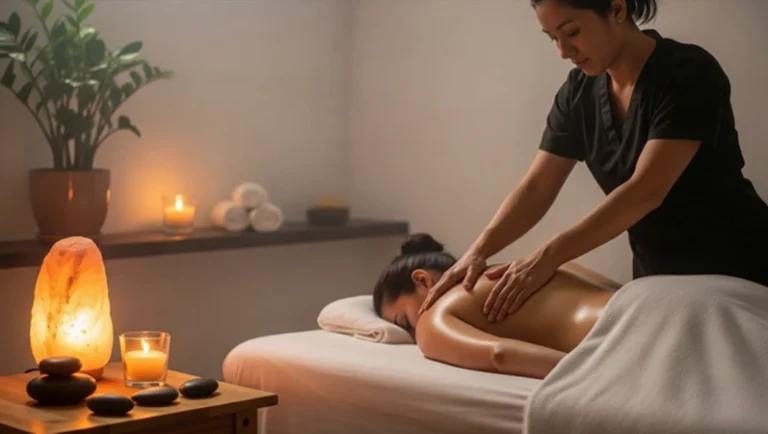

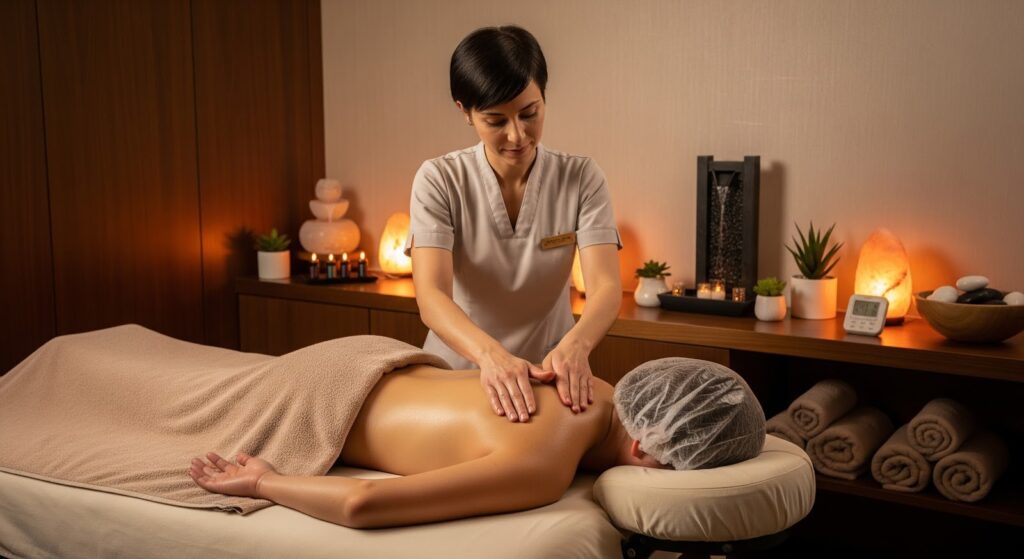
Mental health care is evolving as more people look beyond medication alone and explore natural mental health treatments that support both emotional and physical well-being. One approach gaining consistent attention is massage therapy for mental health. This practice goes far beyond easing muscle tension. It supports emotional balance, relaxation, and improved nervous system function, making it a valuable option for those seeking long-term wellness.
Massage therapy works through touch, rhythm, and pressure to create a calming effect on the body and mind. As stress levels rise and daily demands increase, many individuals are turning to holistic mental health therapy options that support healing in a gentle, non-invasive way. Understanding how massage therapy supports mental health helps people make informed choices about integrating it into their self-care routine.
How Massage Therapy Affects Mental Health
Massage therapy influences mental health through a combination of physical, neurological, and emotional pathways. These effects work together to support emotional wellness massage, and overall balance.
The Mind-Body Connection
The mind and body are closely linked, and physical tension often reflects emotional stress. Massage therapy for relaxation helps release stored tension in muscles, which in turn sends calming signals to the brain. This mind-body wellness therapy approach encourages awareness, grounding, and a sense of safety that is essential for emotional healing.
Nervous System Regulation
One of the most important benefits is nervous system regulation through massage. Massage activates the parasympathetic nervous system, which is responsible for rest and recovery. When this system is engaged, heart rate slows, breathing becomes deeper, and the body shifts out of constant alert mode. This response plays a key role in massage for stress relief and emotional stability.
Hormonal and Chemical Responses
Massage therapy encourages the release of serotonin and dopamine, chemicals linked to mood regulation and emotional well being. At the same time, cortisol levels often decrease. These hormonal changes explain many mental health benefits of massage, especially for individuals experiencing chronic stress or emotional fatigue.
Improved Brain-Body Communication
Consistent massage improves communication between the brain and body by enhancing sensory awareness. This helps individuals better recognize stress signals early and respond with healthier coping strategies. Over time, this improved connection supports emotional regulation and resilience.
5 Key Mental Health Benefits of Massage Therapy
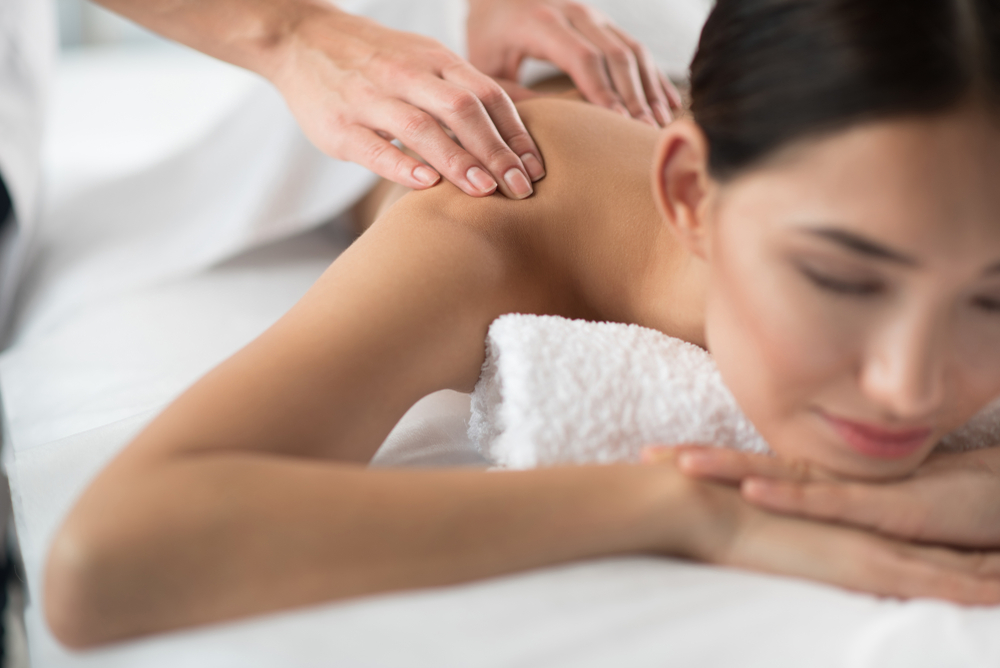
Massage therapy offers multiple emotional and psychological benefits that support long-term mental wellness.
1. Helps Reduce Anxiety
Massage for anxiety and depression is widely recognized for its calming effects. Gentle pressure and rhythmic movements help quiet racing thoughts and promote a sense of calm. For people who experience frequent anxiety, regular sessions can provide consistent relief and emotional grounding.
2. Supports People With Depression
Massage therapy does not replace professional mental health care, but it can be a valuable complementary approach. Emotional wellness massage supports relaxation, improves mood, and helps individuals reconnect with their bodies in a positive way. These effects are especially helpful for those feeling disconnected or emotionally drained.
3. Improves Sleep Quality
Sleep problems are often linked to stress and emotional overload. Massage therapy for relaxation helps prepare the body for deeper rest by calming the nervous system and reducing physical discomfort. Improved sleep supports better mood, focus, and emotional balance during waking hours.
4. Manages Physical Symptoms of Stress
Stress often shows up as headaches, muscle tension, digestive discomfort, or fatigue. Massage for stress relief addresses these physical symptoms directly while also supporting emotional calm. This dual benefit makes massage an effective tool for people managing ongoing stress.
5. Enhances Emotional Regulation
By encouraging awareness and relaxation, massage helps individuals respond to emotions more thoughtfully instead of reacting impulsively. Over time, this improved regulation supports healthier relationships and greater emotional stability.
Who Can Benefit Most From Massage Therapy?
Massage therapy for mental health is beneficial for a wide range of people, especially those experiencing consistent emotional or physical stress.
Individuals with high stress
People managing demanding schedules or personal pressures often carry tension in the body. Massage helps release this tension and supports mental clarity.
People dealing with burnout
Burnout affects both emotional and physical health. Massage therapy provides restorative care that helps the body recover and the mind reset.
Those experiencing anxiety, low mood, and insomnia
Massage for anxiety and depression, combined with improved sleep quality, supports emotional recovery and daily functioning.
Seniors, caregivers, students, working professionals
These groups often experience unique stressors. Massage offers a gentle, adaptable approach that supports emotional balance at any stage of life.
Many clients seeking mind-body wellness therapy find massage especially helpful when used consistently as part of a broader self-care plan. Clinics such as Elite Massage Therapy focus on creating calming environments that support both physical relaxation and emotional well-being.
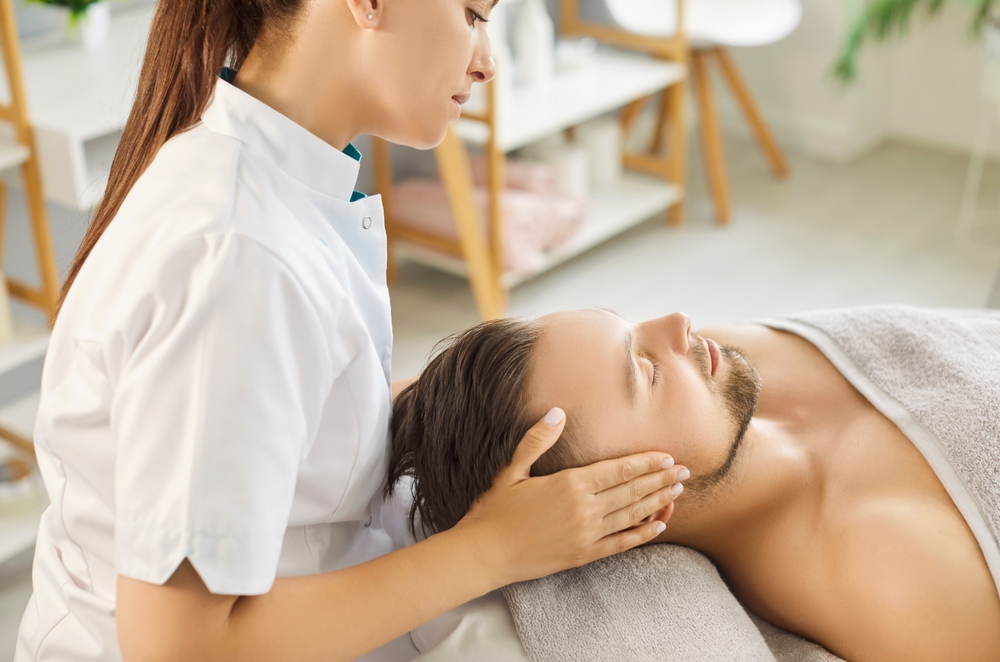
How Often Should You Get a Massage for Mental Health Support?
The ideal frequency depends on stress levels, lifestyle, and personal goals. For general emotional maintenance, a massage every three to four weeks may be sufficient. Individuals managing higher stress or emotional challenges may benefit from sessions every one to two weeks.
Consistency is more important than intensity. Regular massage therapy benefits this 2026 wellness-focused lifestyle by supporting ongoing nervous system balance and emotional regulation rather than only addressing discomfort after it appears.
Tips to Maximize Mental Health Benefits
Maximizing the mental health benefits of massage therapy goes beyond the session itself. Small, intentional habits before and after your massage can significantly enhance relaxation, emotional balance, and overall results.
- Choose a licensed therapist experienced in emotional wellness massage
- Communicate stress levels and emotional goals before each session
- Focus on slow breathing during the massage to enhance relaxation
- Schedule sessions during less hectic days when possible
- Combine massage with other holistic mental health therapy practices such as mindfulness or gentle movement
- Stay hydrated after sessions to support physical recovery
- Maintain consistency for long term benefits
A Holistic Path Toward Emotional Wellness
Massage therapy for mental health offers a powerful yet gentle way to support emotional balance, relaxation, and resilience. By addressing both physical tension and emotional stress, massage provides a truly holistic mental health therapy option that fits naturally into modern wellness routines. From nervous system regulation massage to improved sleep and emotional clarity, the benefits extend far beyond the treatment room.
For those seeking natural mental health treatments that support long term well being, massage therapy stands out as a trusted approach. Providers like Elite Massage Therapy continue to play an important role in helping individuals reconnect with their bodies, restore calm, and build a healthier relationship with stress through consistent, mindful care. Contact us today!