

Yes, Swedish massage can help lower blood pressure, particularly when elevated blood pressure is linked to stress, muscle tension, and chronic fatigue. By encouraging relaxation and improved circulation, Swedish massage may contribute to short term and long term improvements in cardiovascular wellness.
Many studies exploring Swedish massage and blood pressure suggest that regular sessions can promote relaxation responses that influence heart rate and vascular function.
Quick summary:
- Encourages deep physical relaxation
- Helps reduce stress hormones like cortisol
- Improves circulation and oxygen flow
- Supports nervous system balance
- May assist with temporary and long-term blood pressure reduction
Because of these effects, many people explore massage therapy for hypertension as a complementary wellness practice alongside medical care.
How does Swedish massage affect blood pressure and heart health?
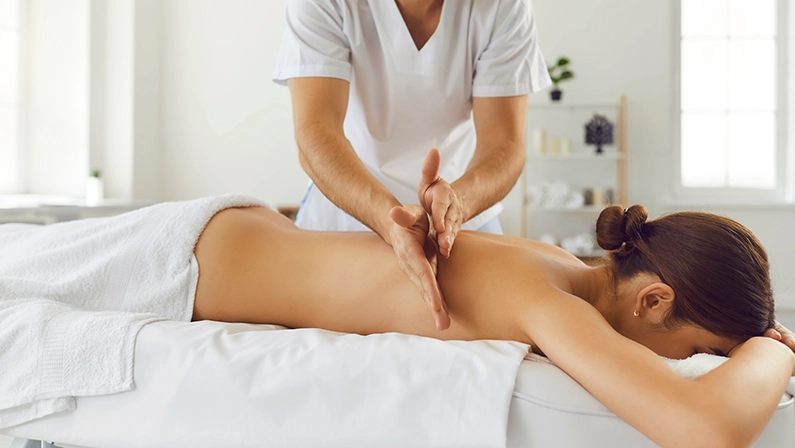
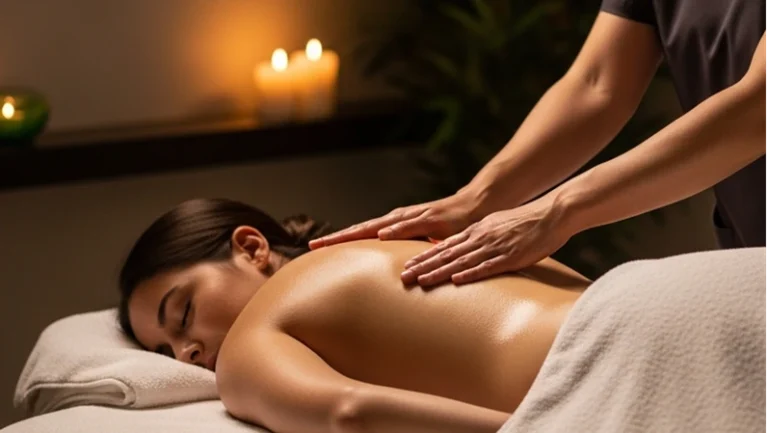
Swedish massage uses long gliding strokes, gentle kneading, and rhythmic pressure. These movements stimulate the parasympathetic nervous system, the body’s relaxation response. As a result, heart rate slows, muscles relax, and blood vessels may dilate, which can influence how Swedish massage affects blood pressure levels.
These physiological effects also contribute to the benefits of Swedish massage for heart health, especially for individuals experiencing stress-related hypertension. For readers interested in the technique itself, you can explore the full details of a professional session here.
How Swedish Massage May Affect Blood Pressure
To understand does Swedish massage help reduce high blood pressure, it helps to look at how the body responds during a relaxation focused massage session.
The effects involve several physiological systems that influence cardiovascular function.
1. Activates the Parasympathetic Nervous System
Swedish massage stimulates the parasympathetic nervous system, which controls rest and relaxation functions.
When activated:
- Heart rate slows
- Blood vessels relax
- Blood pressure may decrease
- The body shifts away from the stress response
This mechanism explains how relaxation massage supports cardiovascular health, particularly for individuals dealing with chronic stress.
2. Reduces Stress Hormones
High cortisol levels are strongly linked to hypertension.
Massage therapy helps:
- Reduce cortisol
- Increase serotonin
- Increase dopamine
These hormonal shifts contribute to emotional balance and relaxation. Because of this, many experts ask is massage therapy good for hypertension when stress is a major factor.
For people whose blood pressure spikes during stressful periods, can massage lower stress-related blood pressure is an important question. Research suggests the answer can be yes when massage is performed regularly.
3. Improves Blood Circulation
Healthy circulation plays a major role in cardiovascular health.
Swedish massage promotes:
- Improved blood flow
- Oxygen delivery to tissues
- Better lymphatic drainage
Improved circulation can ease vascular resistance, which contributes to how Swedish massage affects blood pressure levels.
4. Relieves Muscle Tension
Muscle tension increases physical stress in the body. Tight muscles can also compress blood vessels and limit circulation.
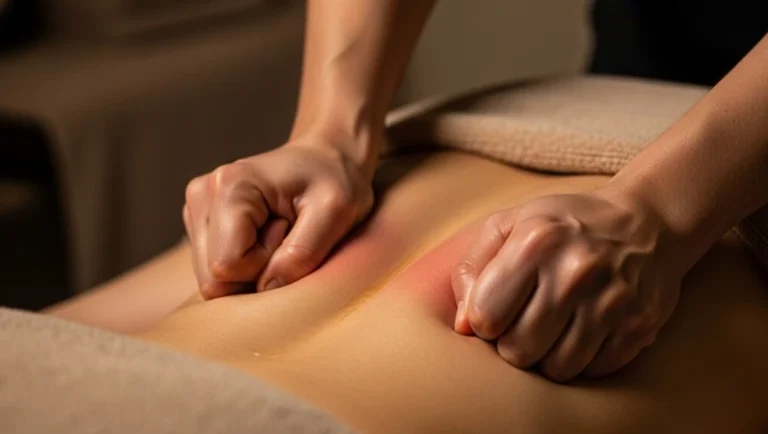
Massage techniques such as kneading and friction help:
- Release muscle tightness
- Improve tissue flexibility
- Promote relaxation throughout the body
These benefits support the broader benefits of Swedish massage for heart health.
If you are new to massage therapy, this helpful guide explains why many beginners start with Swedish massage.
What Happens During a Blood Pressure Friendly Massage
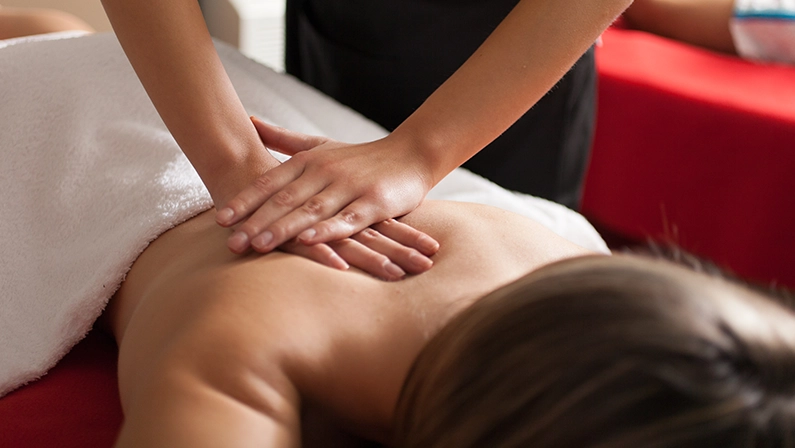
A Swedish massage session designed for relaxation usually follows a gentle and structured process.
Typical sequence during the session:
- The therapist begins with light effleurage strokes to warm the muscles.
- Gentle kneading stimulates circulation and lymphatic flow.
- Rhythmic pressure activates calming signals in the nervous system.
- The body releases endorphins and serotonin.
- The heart rate slows and blood pressure may gradually decrease.
These relaxation responses explain how Swedish massage affects blood pressure levels and why people often feel calmer after a session.
Case Example: Stress-Related Hypertension
Consider a professional working long hours in a high-stress environment.
Before Massage Routine
- Frequent tension headaches
- Elevated blood pressure readings
- Poor sleep
- Chronic neck and shoulder tightness
After 8 Weeks of Weekly Swedish Massage
- Improved sleep quality
- Reduced muscle tension
- Lower stress levels
- Slight improvement in resting blood pressure
This example shows why many individuals explore massage therapy for hypertension as part of a broader wellness strategy that includes diet, exercise, and medical guidance.
People recovering from chronic stress often notice similar results. This article explains the connection between relaxation therapy and burnout recovery.
Swedish Massage vs Other Relaxation Methods
| Method | Main Benefit | Impact on Blood Pressure | Best For |
| Swedish Massage | Muscle relaxation + stress relief | Mild to moderate reduction | Stress-related hypertension |
| Deep Breathing | Nervous system calming | Short-term reduction | Anxiety and acute stress |
| Meditation | Mental relaxation | Moderate long-term benefit | Stress management |
| Exercise | Cardiovascular strengthening | Significant long-term reduction | Overall heart health |
This comparison highlights how Swedish massage and blood pressure management can work together with other wellness habits. Massage does not replace medical care, but it can support relaxation and stress reduction.
Best Practices for Blood Pressure Support
Massage therapy can support heart health most effectively when it is part of a consistent routine.
Here are practical tips to maximize results.
1. Schedule Regular Sessions
Consistency matters. Many clients benefit from sessions every two to four weeks.
Regular treatments help maintain relaxation and support the ongoing benefits of Swedish massage for heart health.
2. Combine With Lifestyle Changes
Massage works best alongside healthy habits such as:
- Balanced nutrition
- Regular physical activity
- Quality sleep
- Stress management practices
This combination strengthens the overall effectiveness of massage therapy for hypertension.
3. Stay Hydrated After a Massage
Drinking water after a massage supports circulation and helps the body flush metabolic waste released during muscle relaxation.
Hydration also supports healthy cardiovascular function.
4. Inform Your Therapist About Hypertension
If you have been diagnosed with high blood pressure, always inform your massage therapist.
A qualified professional can adjust:
- Pressure level
- Body positioning
- Session pacing
These adjustments help ensure massage therapy for hypertension remains safe and beneficial. For example, trained therapists at Elite Massage Therapy understand how to modify Swedish massage techniques for clients with cardiovascular considerations.
Supporting Relaxation and Heart Health
When practiced regularly and combined with healthy lifestyle habits, Swedish massage can be a valuable part of a heart-supportive wellness routine. Many individuals exploring ‘does Swedish massage help reduce high blood pressure’ find that relaxation therapy improves stress levels, sleep quality, and overall well-being.
If you are interested in experiencing the calming effects of Swedish massage firsthand, Elite Massage Therapy offers professional sessions designed to promote relaxation, circulation, and whole body wellness.
FAQs
Can Swedish massage lower blood pressure immediately?
Some people experience a temporary drop in blood pressure immediately after a massage session due to relaxation and improved circulation. However, the effect varies from person to person. Long-term improvements are more likely when massage is part of a regular wellness routine.
How often should you get a massage for blood pressure support?
Many wellness professionals recommend massage every two to four weeks for stress management and relaxation. Individuals experiencing chronic tension or stress-related hypertension may benefit from more frequent sessions after consulting their healthcare provider.
Is massage safe for people with high blood pressure?
In most cases, massage is safe for individuals with controlled high blood pressure. Therapists may adjust pressure levels and techniques to ensure comfort and safety. People with severe or unstable hypertension should consult their physician before beginning massage therapy.
What type of massage is best for lowering blood pressure?
Relaxation-focused treatments such as Swedish massage are often recommended. The gentle strokes and rhythmic movements promote nervous system relaxation, which can help support cardiovascular wellness.
Can massage replace blood pressure medication?
Massage should not replace prescribed medication or medical treatment. It can serve as a complementary therapy that helps manage stress and supports relaxation, both of which may contribute to healthier blood pressure levels.